
Spas – The Complete Guide Before You Buy
Technical guide to understanding how spas work, what types exist, how they are installed, how much they consume, and what to evaluate before choosing.
What you will learn in this guide
- How a spa really works
- What types of spas are there and what are their uses
- What technical requirements you should anticipate
- How much it consumes and how much it costs to maintain it
- What problems may arise over time
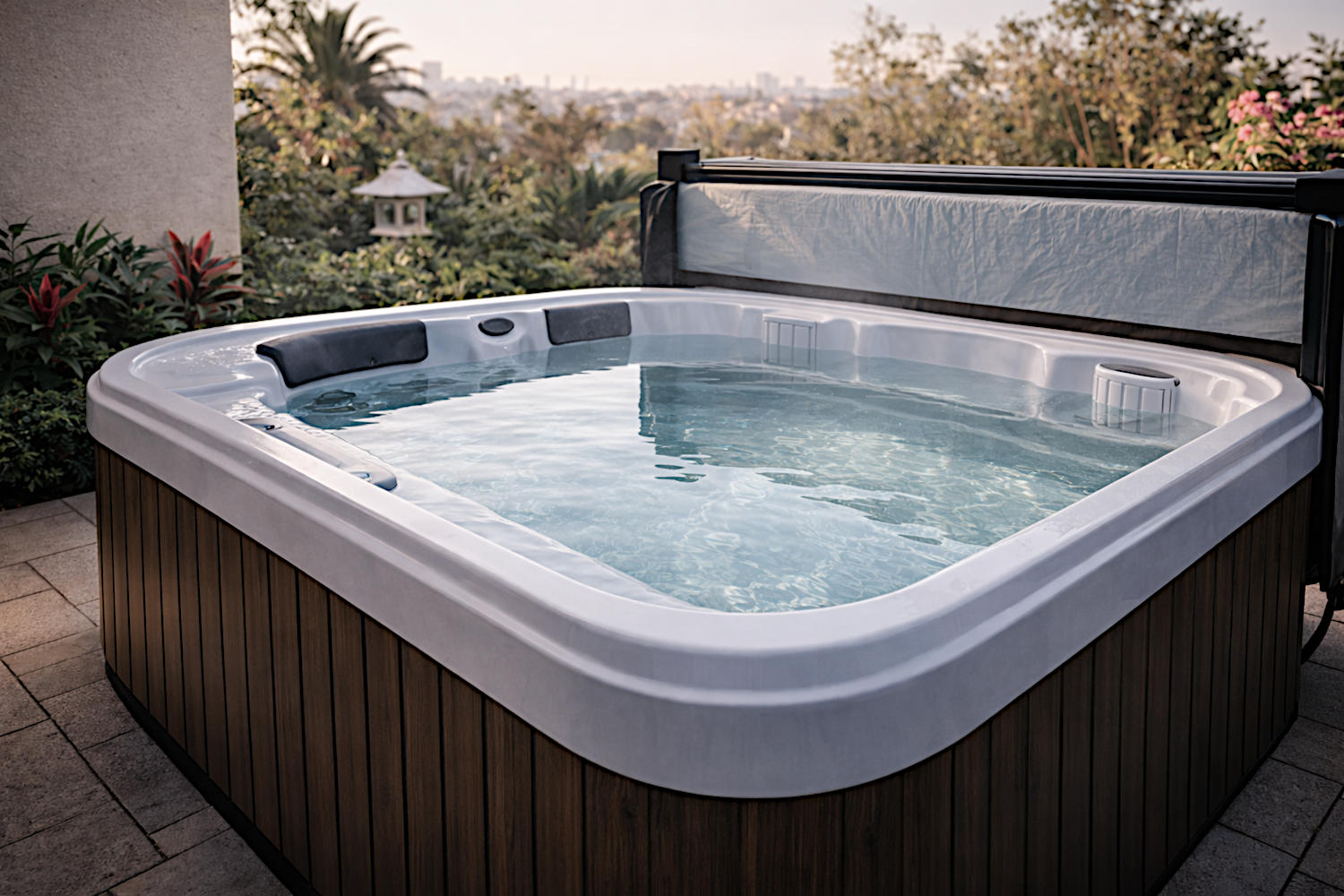
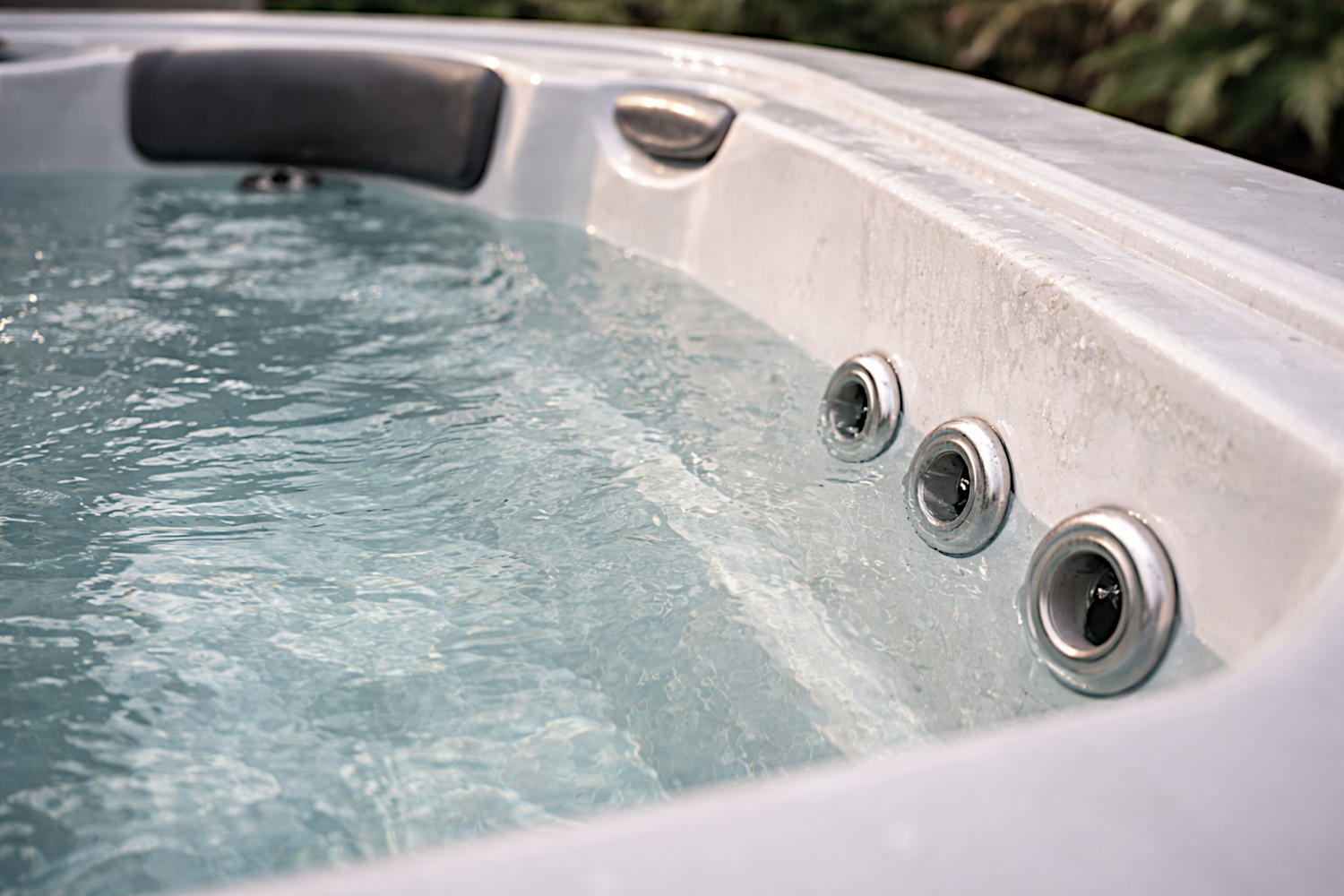
How to choose the right spa
Not all spas are designed for the same context. The right choice depends on the available space, the intended use, and the required technical level.
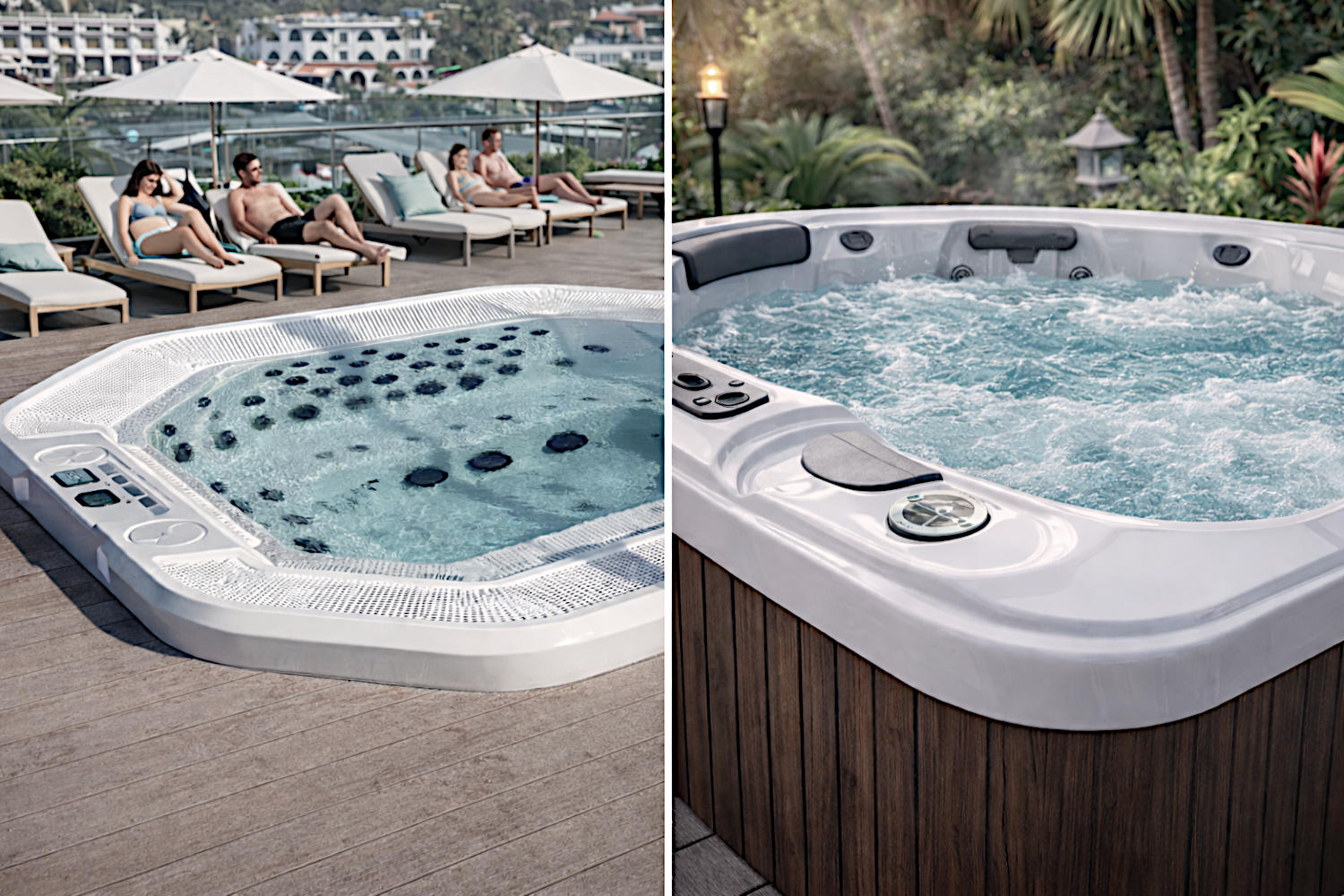
- Types of spas according to installation and use
- Technical requirements and installation
- Electric consumption and real costs
Considerations before buying
Follow this logical process to evaluate whether a spa truly fits your project.
1.Understand how it works
- What is a spa and how does it work?
- Main components and hydromassage system
- Differences compared to a bathtub and swimming pool
2. Assess technical requirements
- Location: Indoors or outdoors
- Electrical power required
- Access and supporting base
3. Analyze costs and maintenance
- Estimated monthly electrical consumption
- Water treatment
- Component maintenance
What really sets a spa apart
Although it may seem like a simple solution, a spa is a technical system with specific requirements in terms of insulation, energy consumption, and maintenance.
Structural differences
- Compact shell with a strong thermal insulation.
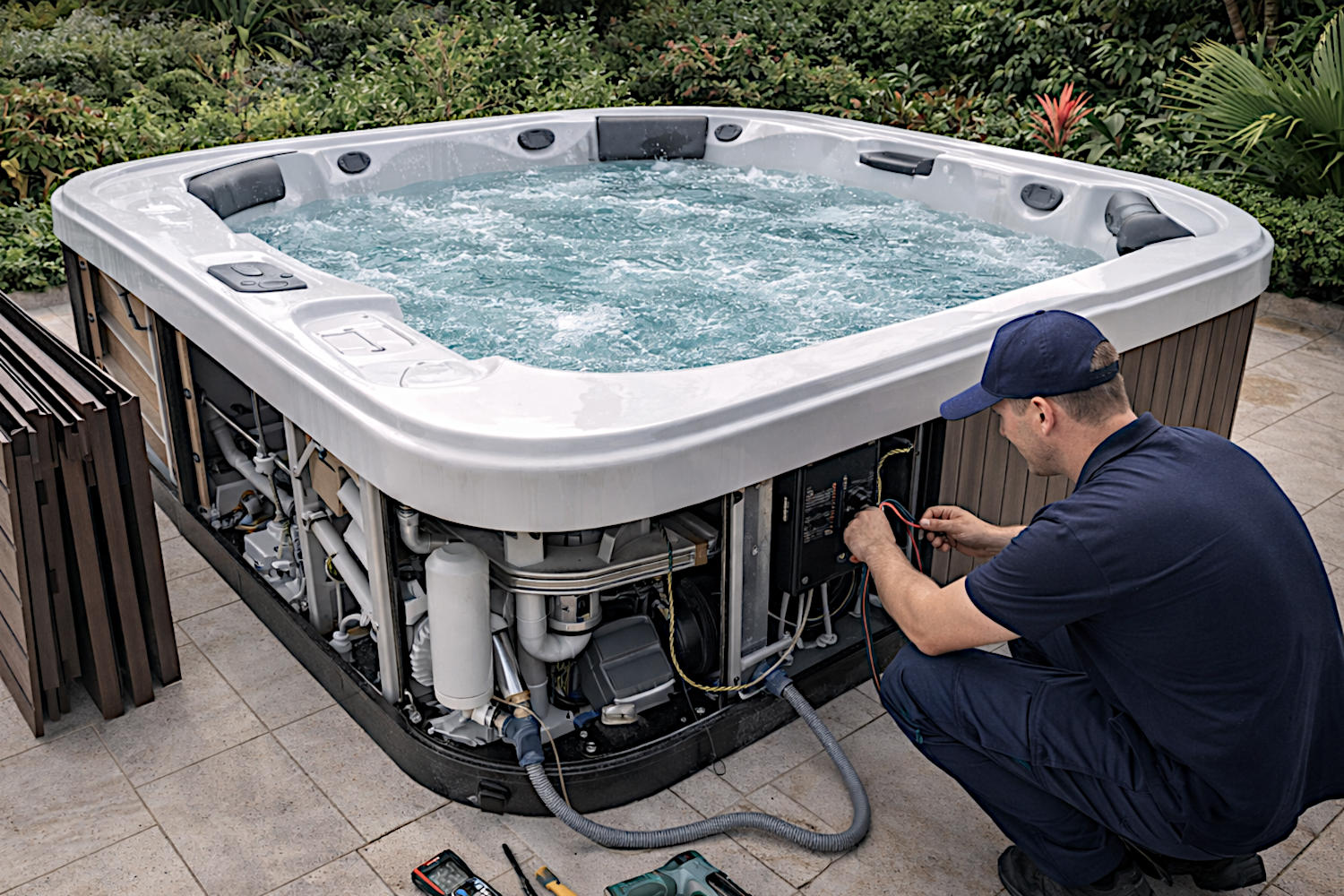
- Integrated system of pumps, heating, and filtration.
- Continuous operation to maintain a stable temperature.
Differences in usage
- Frequent use in short sessions.
- Designed for relaxation and wellness.
- High temperature maintained throughout the year.
Differences compared to other solutions
- Requires less space than a swimming pool or swim spa.
- Less volume of water, but a consistently higher temperature.
- Predictable and controllable energy costs.
When a spa may not be the best option
A spa is not suitable for every project.
- If you are looking for continuous swimming or training.
- If the space allows for a full swimming pool and the use will be mainly recreational.
- If you do not want to maintain a high temperature throughout the year.
Before deciding
Making the right choice means evaluating the full context of the project.
- Available space: free surface area and access points.
- Actual use: frequency and number of users.
- Electrical consumption: installed power and usage habits.
- Long-term expectations: maintenance and durability.
Compare before choosing
Real models and projects
Reviewing professionally executed examples helps to understand differences in insulation, jet configuration, and construction quality.
To see professionally installed spa models and projects, you can visit
Aqaspas.