
Pools – Complete guide before building
Technical guide to understanding the different pool construction systems, their structural differences, costs, maintenance, and what should be evaluated before deciding which type of pool to build.
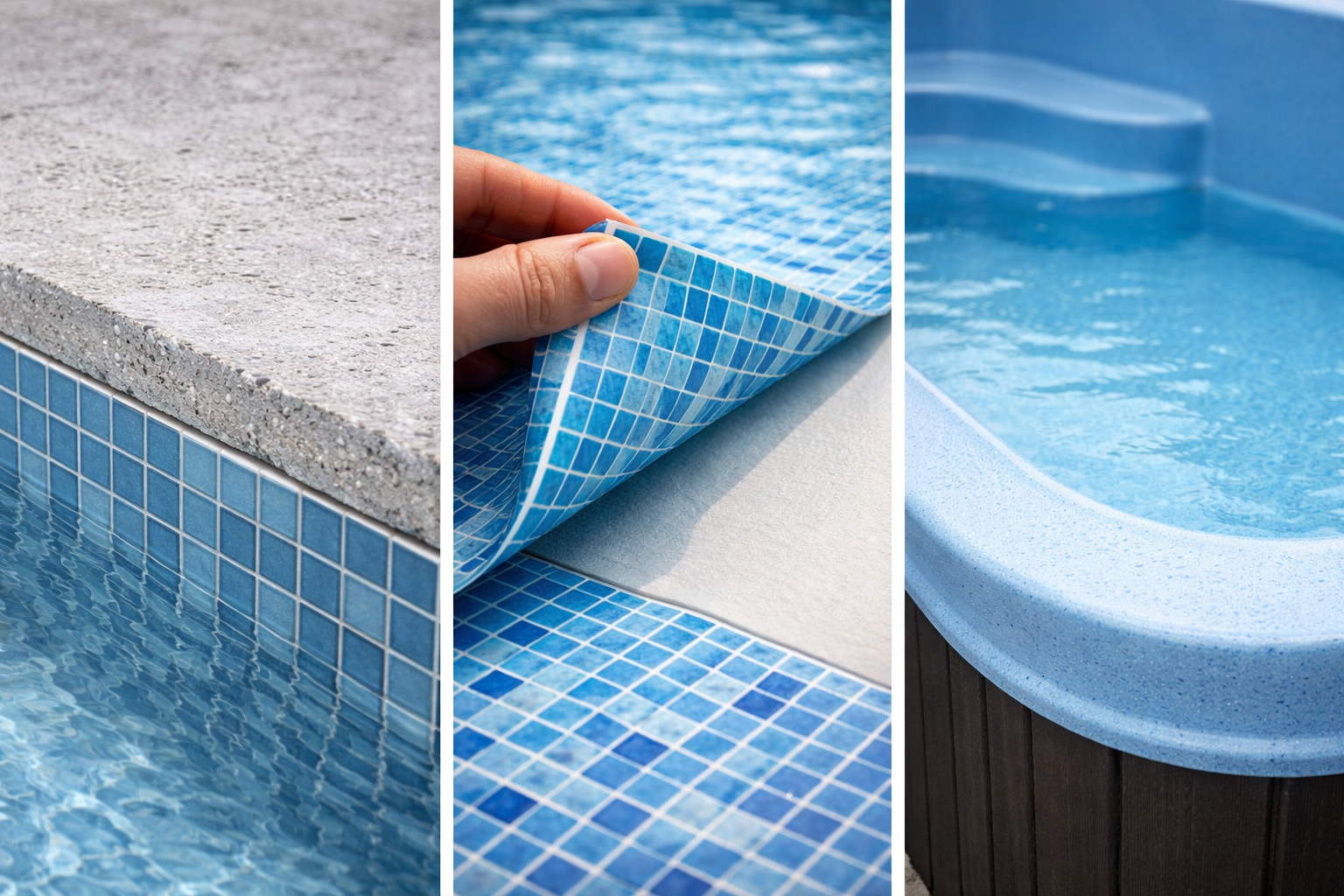
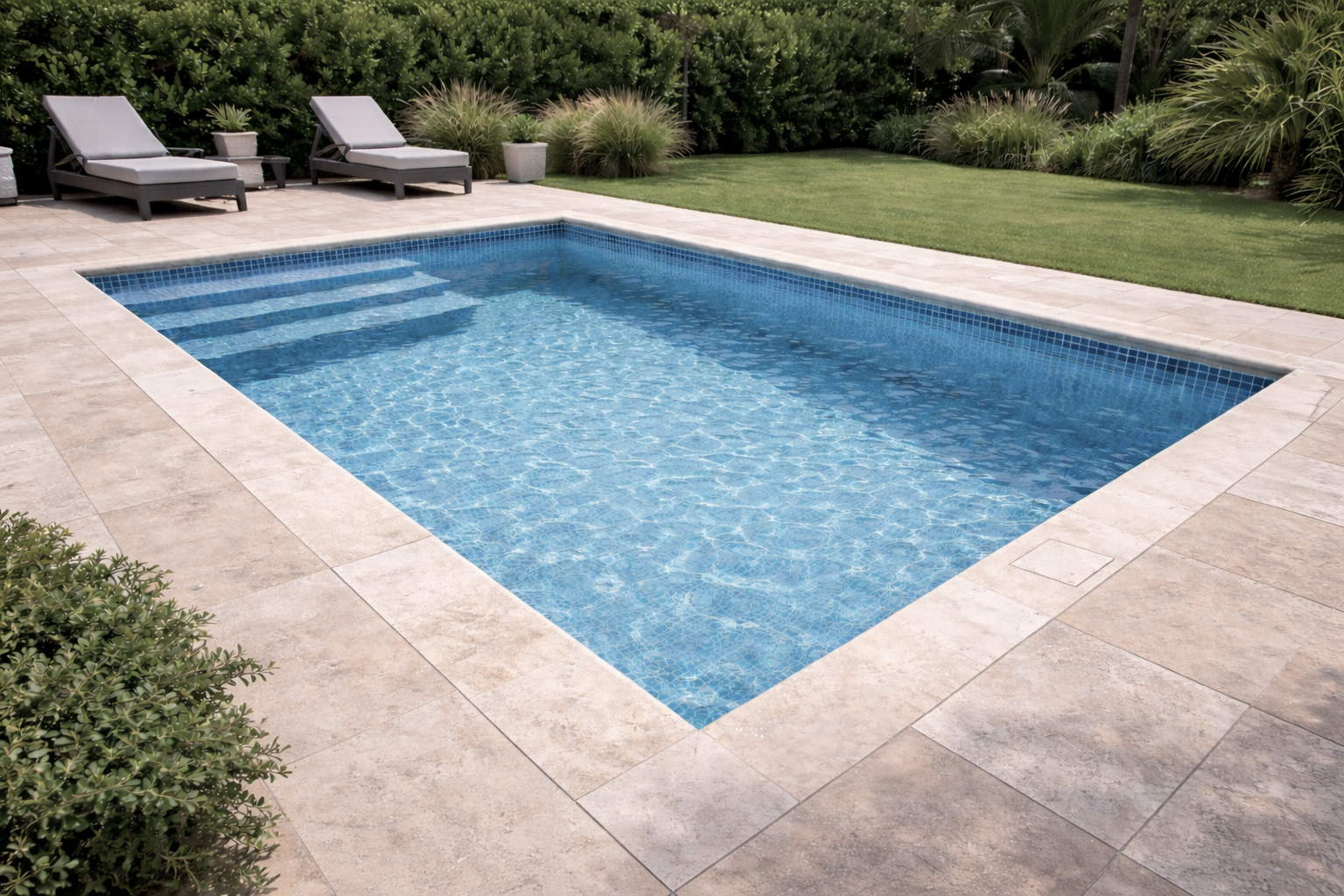
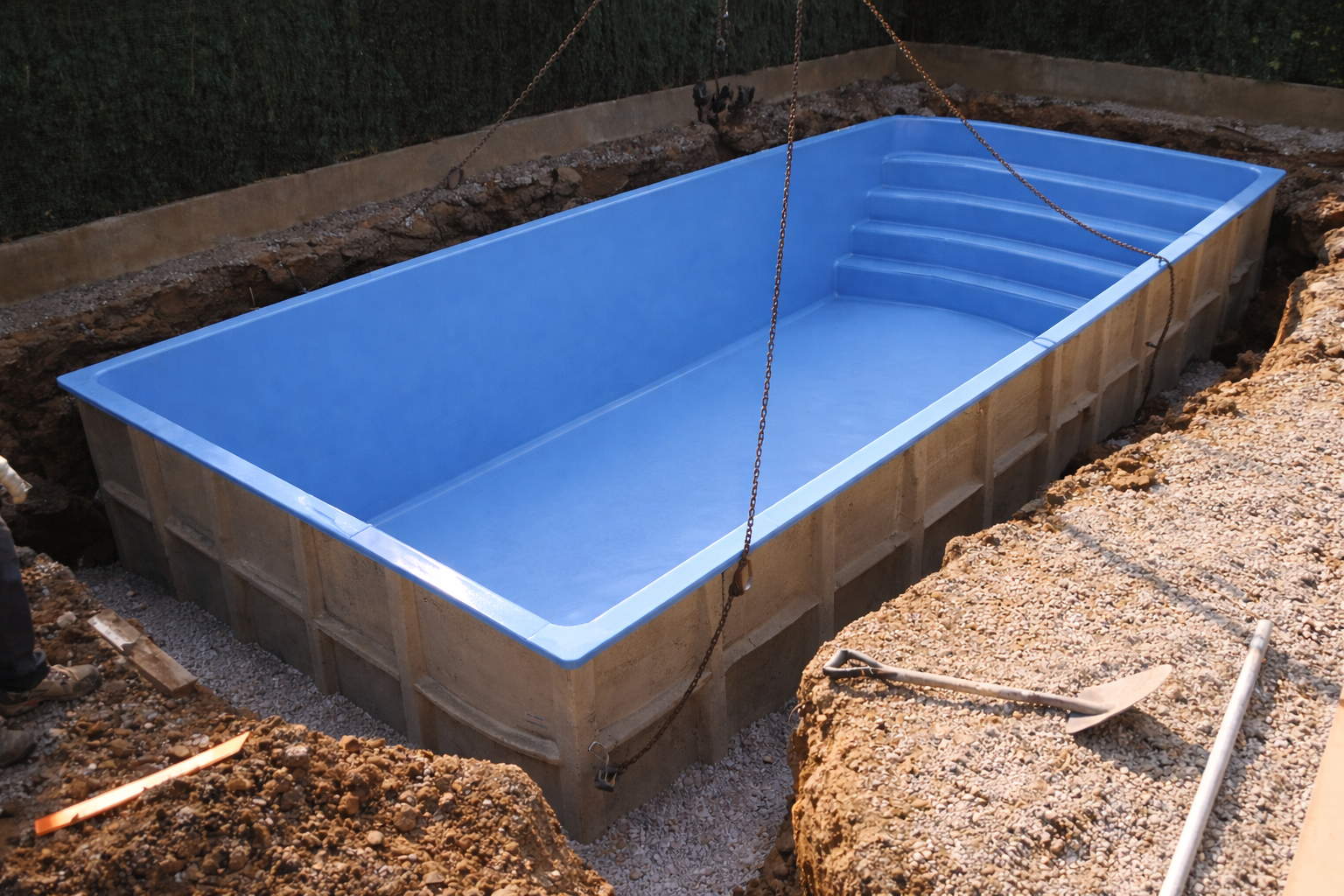
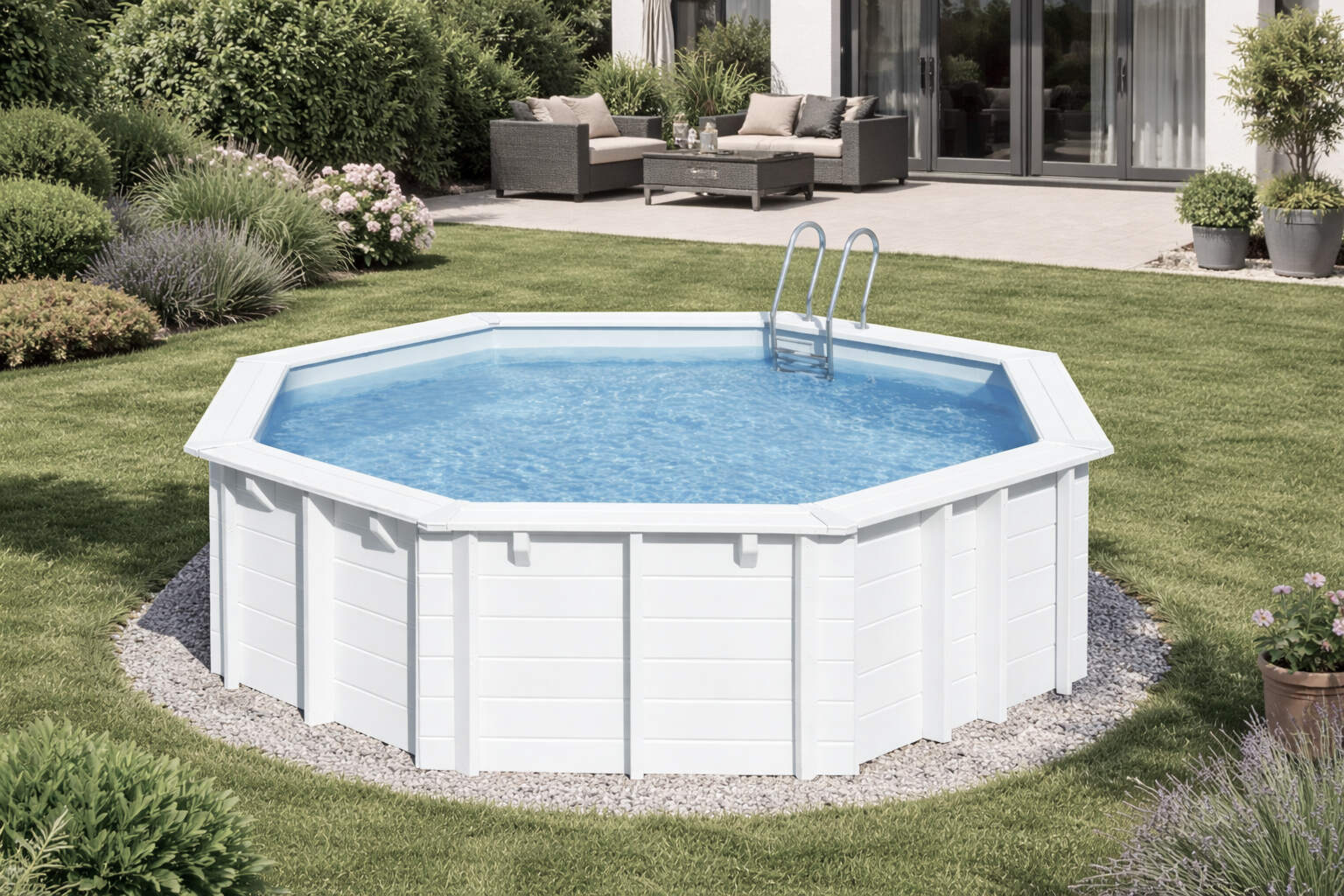
Quick Comparison of Pool Construction Systems
Below is a general comparison of the main systems. There is no universally “best” option—the key is how well it fits your space, budget, and intended use.
| System | Initial Cost | Execution Time | Customisation | Maintenance | Durability and repairability | Best Suited For |
|---|---|---|---|---|---|---|
| Concrete | High | Long | Very high | Variable (depending on finish) | Very high; complex structural repairs | Custom project, architectural integration, long lifespan |
| Prefabricated monobloc (fiberglass) | Medium | High | Short-Medium | Simple | High; technical repairs in gelcoat/fiberglass | Good access, simple terrain, fast installation |
| Modular + reinforced liner | Medio | Medio | Medium-High | Controlled; depends on the liner | High; liner renewable | Balance of cost and customization; finish can be renewed over time |
| Above-ground / semi-inground | Variable | Short to medium | Medium | Variable (depening on system) | Variable; depends on structure and execution | Sloped terrain, excavation constraints, projects with technical limitations |
To explore each system in more detail, you can start with pool types, and if you’re deciding between concrete and prefabricated, check the comparison: concrete pool vs. prefabricated pool.
Which type of pool best suits your situation?
Choosing the right system depends less on trends and more on the real context of the project. These guideline scenarios can help you identify which solution makes the most sense.
Reduces space or difficult access
When space is limited or access makes it difficult to bring in large components or heavy machinery, the following options tend to be a better fit:
- Modular pools with liner
- Above-ground or semi-inground pools
- Prefabricated monobloc pools, if access allows
Here, it’s essential to assess logistics and maneuverability before deciding on the system.
Tight budget
If budget is a key factor, it’s best to prioritize systems with lower construction complexity:
- Prefabricated monobloc
- Modular + liner
- Above-ground (depending on the structure)
Concrete typically involves a higher initial investment and is not always the most efficient option for smaller-scale projects.
Custom project and architectural integration
When the goal is to adapt the pool to a specific shape, integrate steps, benches, overflow systems, or combine different levels:
- Concrete Pools
It is the option with the greatest design freedom and the best fit for demanding architectural projects.
Recreational family use
If the priority is summer enjoyment, social use, and casual swimming:
- Concrete or monobloc, depending on the budget
- Modular + liner as a middle-ground option
In this case, water surface area and ease of maintenance are usually more important than extreme customization.
Intensive use or long expected lifespan
When a structural solution designed for decades and frequent use is required:
- Well-executed concrete
- Modular with a solid structure and high-quality liner
Durability will depend as much on the system as on the quality of execution and maintenance.
If you’re also considering alternatives such as a spa or swim spa instead of a traditional pool, the guide spa, swim spa, or pool can help, as it compares the different approaches based on space and type of use.
Before starting construction
Before choosing a system and requesting quotes, it’s worth reviewing three key factors that often determine the project’s real feasibility: the available space, the level of construction required, and the most logical option based on intended use.
- How much space do I need:
it’s not just the water surface that matters; access routes, working perimeters, the equipment room, and maintenance areas are also important. - What construction work will be required:
excavation, base, drainage, hydraulic and electrical installations, and how this varies depending on the construction system. - Concrete pool vs prefabricated pool:
a direct comparison to make an informed decision between traditional construction and prefabricated solutions.
If you’re still unsure between a pool, swim spa, or spa based on space, year-round use, or maintenance, you can expand the comparison in spa, swim spa, or pool.
Professional projects and solutions
Once the construction system and project requirements are defined, it is advisable to review real-world examples completed by professionals, where technical solutions, environmental integration, and finishing quality can be assessed.
To see examples of concrete pool projects and professionally executed aquatic solutions, you can visit aqaspas.com.