
Concrete pools
characteristic, advantages and limitations
What is a concrete pool?
A concrete pool is one that is built directly on-site using a reinforced concrete structure that forms the shell and allows the design to be adapted to the terrain and intended use. It is not an item that is installed, but a proper construction that is carried out in multiple steps.
Differences compared to prefabricated pools
Compared to prefabricated solutions such as fiberglass pools or modular systems, concrete offers greater freedom in shapes, dimensions, and finishes. In return, it requires a longer construction process and more careful technical execution.
When it makes sense to choose concrete
This type of pool is usually best suited when a fully custom solution is required, a specific architectural integration is desired, or a greater sense of solidity and permanence is sought, accepting a more complex construction process than with other systems.
This article is part of our complete guide to pools, where we analyze the different construction systems and their technical implications.
How a concrete pool is built
The construction of a concrete pool is a multi-step process that combines general construction work with specialized installation. Unlike other systems, the pool is built from scratch directly on-site.
Excavation (earthworks), rebar installation, and concreting
Everything begins with excavation of the site according to the shape and depth of the project. On this base, the rebar is installed, providing structural strength to the pool shell. Finally, the concrete is applied, creating a continuous and solid structure that makes up the pool basin..
Common systems: shotcrete and formwork
There are two main methods. Shotcrete involves spraying concrete under pressure onto the rebar, allowing for a high degree of shape flexibility. The formwork system, on the other hand, uses molds to pour the concrete and is typically used for more straight or geometric designs.
The importance of waterproofing
Once the structure is completed, waterproofing is key to ensuring the pool’s durability. It determines whether the shell is watertight and compatible with the final finish, preventing leaks and long-term issues.
Advantages of concrete swimming pools
Concrete pools stand out for offering a level of customization and solidity that other systems cannot match. That is why they remain the go-to option when the project needs to fully adapt to its surroundings.
Freedom of shape and size
Because they are built directly on-site, concrete allows for fully customized shapes, dimensions, and depths without relying on prefabricated molds. This makes it easier to create pools tailored to the available space and their intended use.
Structural strength and durability
A well-built reinforced concrete pool offers a highly durable and stable structure over time. It is a solution designed to last for decades, even on complex sites or where high structural demands are required.
Compatible with different finishes
The concrete shell supports a wide variety of finishes, from mosaic tiles and ceramics to continuous coatings, allowing both aesthetics and maintenance to be tailored to the project’s preferences.
Limitations and complexity of construction
Although concrete pools offer many advantages, they also involve a more complex construction process that should be carefully considered before making a decision. They are not always the most suitable option for every project.
HIgher initial cos
The construction process, materials, and specialized labor make the initial cost of a concrete pool higher than that of prefabricated systems. It is a long-term investment, not a quick or low-cost solution.
Longer construction timelines
As it is a multi-step process, construction timelines are usually longer. Excavation, structure, waterproofing, and finishes require execution and curing times that cannot be rushed without compromising the result.
Proper technical execution is essential
The final quality of the pool largely depends on proper technical execution. A sound design, quality materials, and qualified professionals are key to avoiding structural or watertightness issues in the long term.
Common finishes
Once the structure is built, the finish determines both the final appearance and part of the maintenance of a concrete pool. The choice is not only about looks; it also affects durability and everyday use.
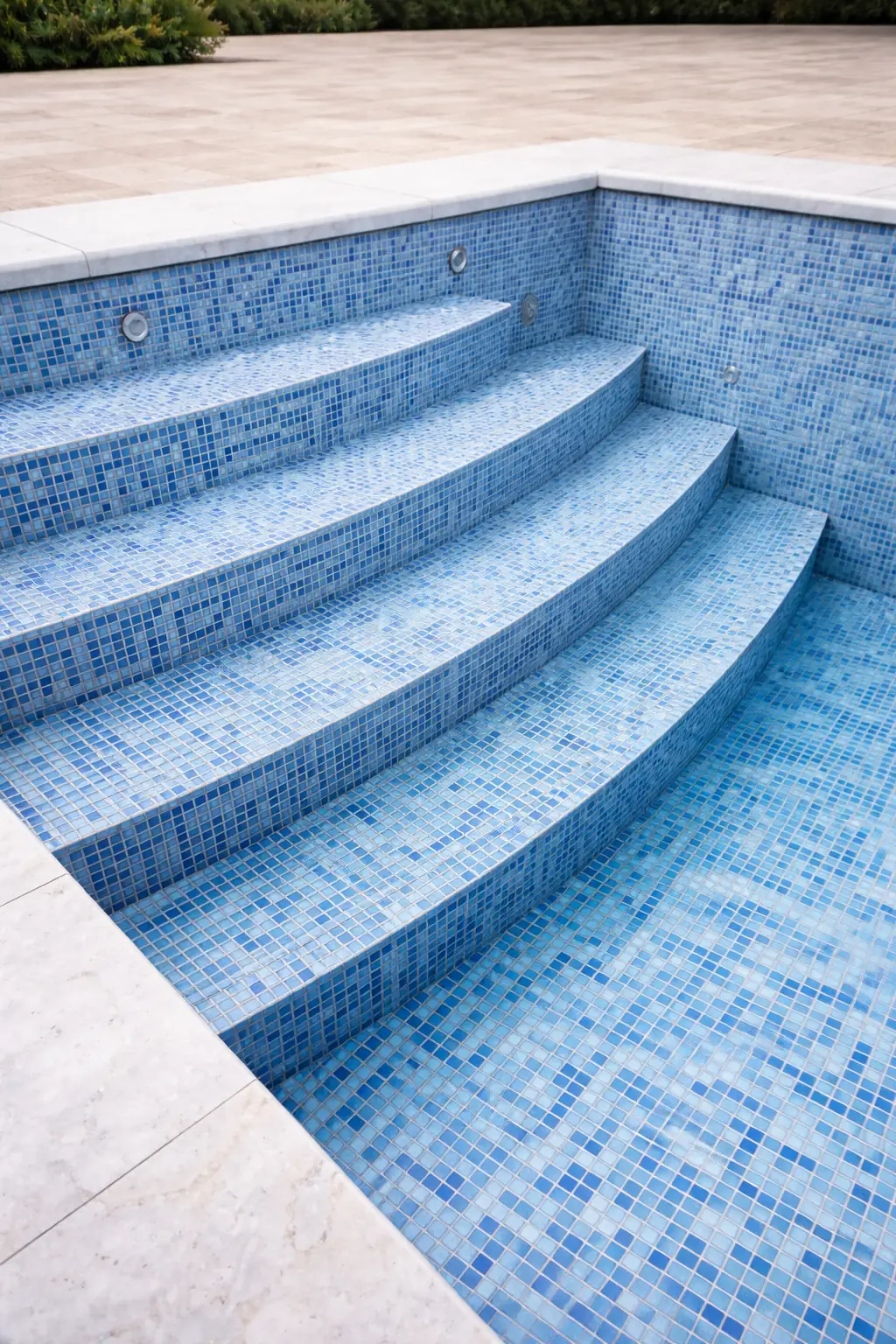
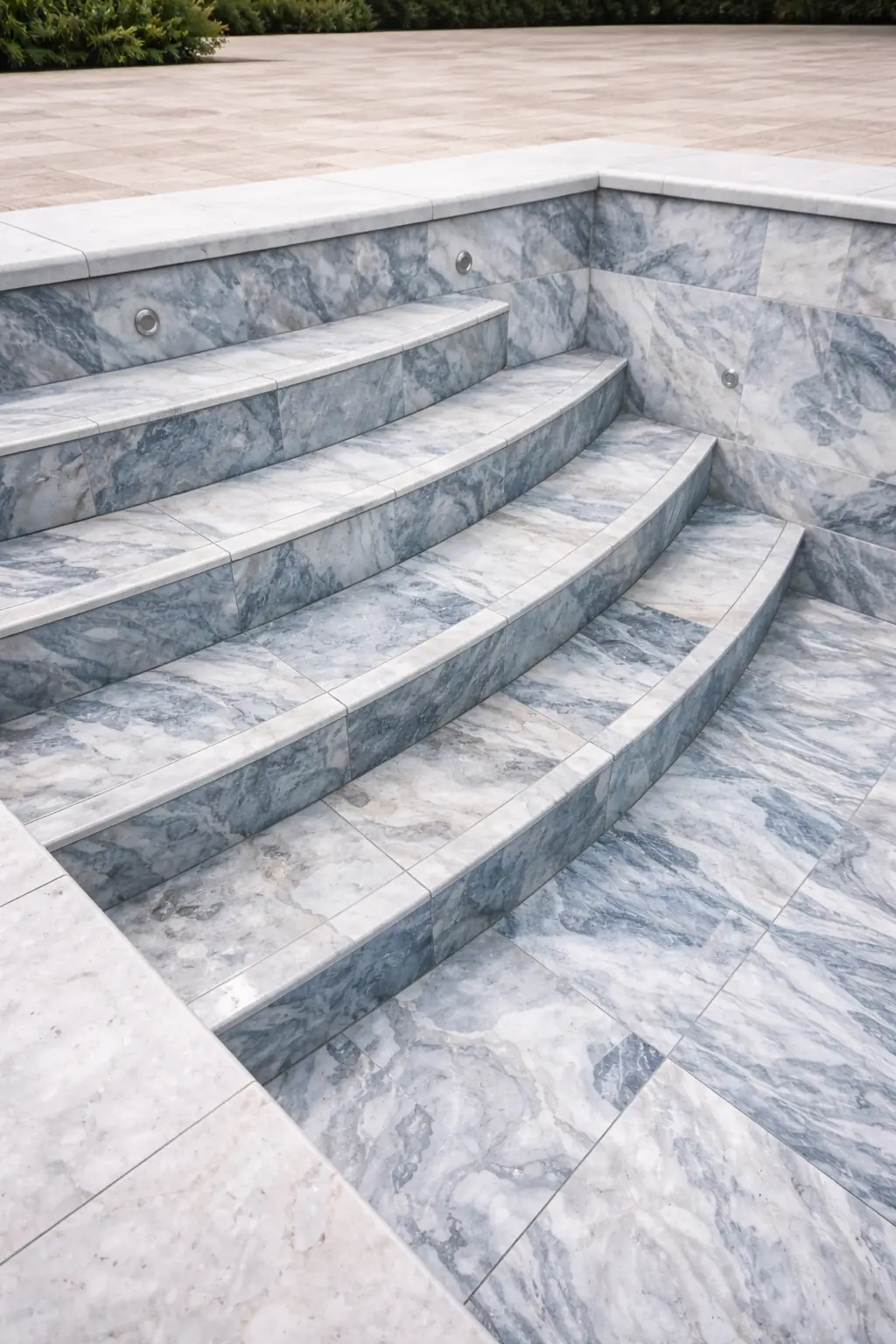
Gresite and ceramic tiles
Mosaic tiles and ceramic finishes are the most traditional options. They offer good durability and a wide range of aesthetic choices, although they require careful installation and proper joint maintenance to avoid issues over time.
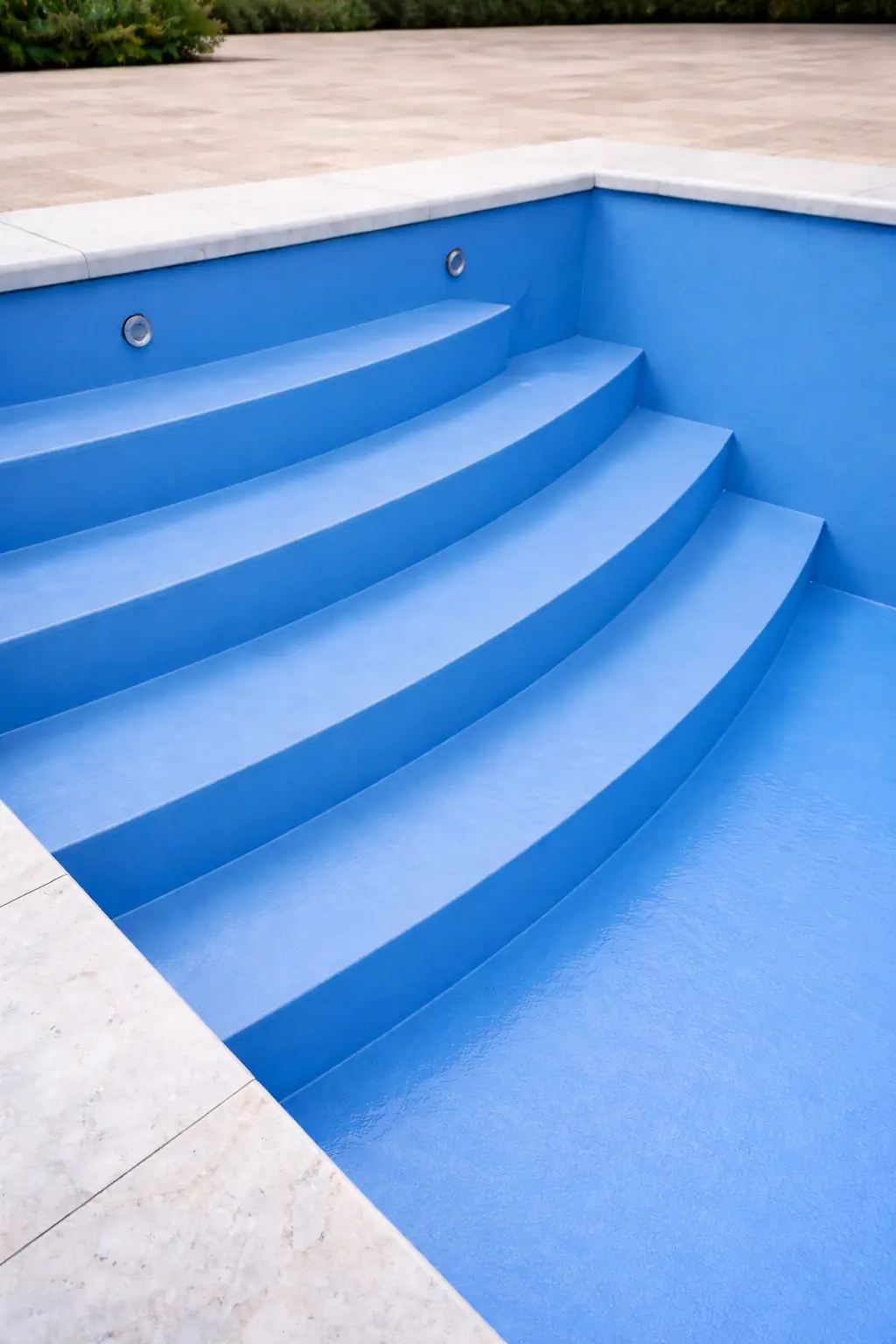
Continuous coatings
Continuous coatings create uniform surfaces with no visible joints, offering a more modern look. They are usually easier to clean, but depend heavily on proper application and the quality of the chosen system.
Durabilidad y mantenimiento: una comparación básica
En términos generales, los acabados cerámicos destacan por su resistencia a largo plazo, mientras que los continuos ofrecen mayor simplicidad visual y de limpieza. En ambos casos, una buena ejecución y un mantenimiento adecuado marcan la diferencia en la vida útil del acabado.
Gresite finish
Tiled finish
Painted finish
Costs and upkeep
The cost of a concrete pool goes beyond the initial build. To properly assess this option, it’s important to consider both the upfront investment and the long-term maintenance.
Factors that influence the final price
The final price depends on multiple factors: the size and shape of the pool shell, the construction method, the type of waterproofing, the chosen finishes, and the characteristics of the terrain. Each technical decision has a direct impact on the overall budget.
Medium and long term maintenance
A properly built concrete pool is consistent and predictable to maintain over time. While upkeep costs depend on the finishes and equipment, the solid structure minimizes the likelihood of major repairs down the line.
Costs compared to other options
Compared to prefabricated pools, concrete requires a higher upfront investment, but it can be more cost-effective in the long run—especially for custom designs and projects where long service life is a priority.
If you’re considering different options, a comparison between concrete and prefabricated pools can help guide your decision.
When it’s not the best option
While concrete pools offer many advantages, they’re not always the most suitable option. In some cases, other systems may be a better fit due to cost, timelines, or overall simplicity.
Projects with a tight budget
When the budget is limited, concrete tends to be less competitive than prefabricated or modular options, which lower both construction and specialized labor costs.
Need for quick installation
If the goal is to have the pool ready quickly, concrete isn’t the most efficient choice. Build times are longer and depend on multiple stages that shouldn’t be rushed.
Simpler alternatives
In small gardens, standard projects, or low-demand use cases, options like prefabricated or modular pools—or even a spa—can meet the needs with less complexity and a lower investment.
For real examples of professionally built concrete pools and finishing details, you can explore completed projects on aqaspas.com.
Summing it up
A concrete pool is the right choice when you’re looking for a fully custom solution—with complete design flexibility, long-term durability, and seamless integration into the surroundings—while accepting a more complex build and higher upfront investment.
Before starting the project, it’s worth taking a close look at the construction implications for your property. You can explore this further in the guide on what kind of work will be required.