
Guides on spas, swim spas, and pools
In this section, you’ll find practical guides about spas,
swim spas, and pools. We explain how they work, what
requirements they have, how much they really cost, and what
to look out for before making a decision. The goal is to help
you compare options with sound technical criteria and avoid
common mistakes before buying or building.
Explore our guides
How to choose the right solution
Not all solutions fit every space or every budget. These comparisons help you make a technically informed decision before investing.
- Swim spa vs spa:
what changes in usage, space, consumption, and maintenance. - Swim spa vs pool:
when it’s worth it based on space, year-round use, and long-term cost. - Concrete pool vs prefabricated pool:
practical differences in construction, timelines, durability, and repair.
Before you buy
- Understand your requirements
- Evaluate technical issues
- Compare before you decide
The main differences between swim spas, spas and swimming pools
Although spas, swim spas, and pools all use water as their central element, their structural, functional, and economic differences are significant. Understanding these contrasts prevents superficial comparisons and helps you choose with clear criteria.
Structural differences
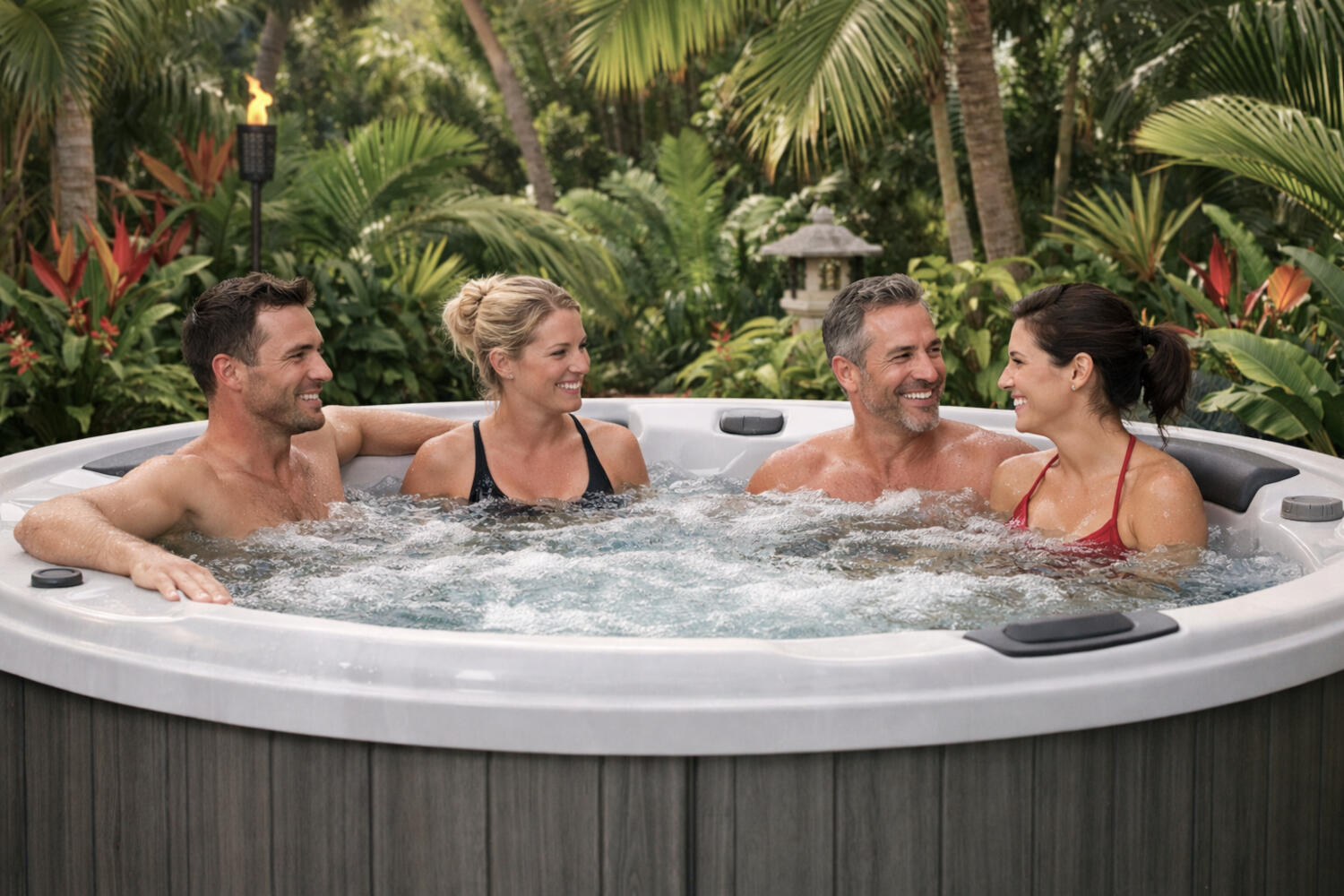
Spa: compact basin with integrated massage jets and good insulation
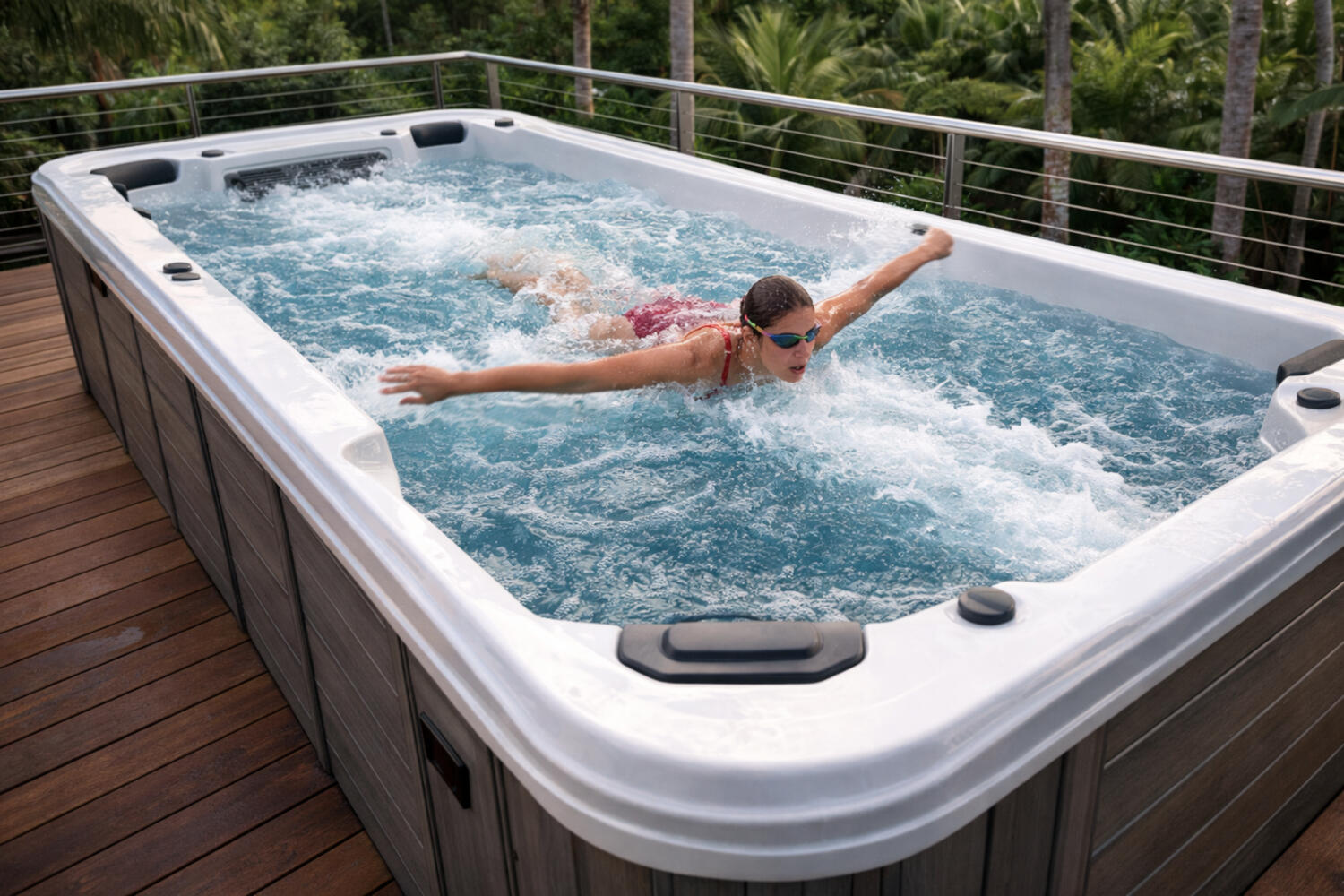
Swimspa: larger volume, counter-current swimming and possibly two separate temperature zones.
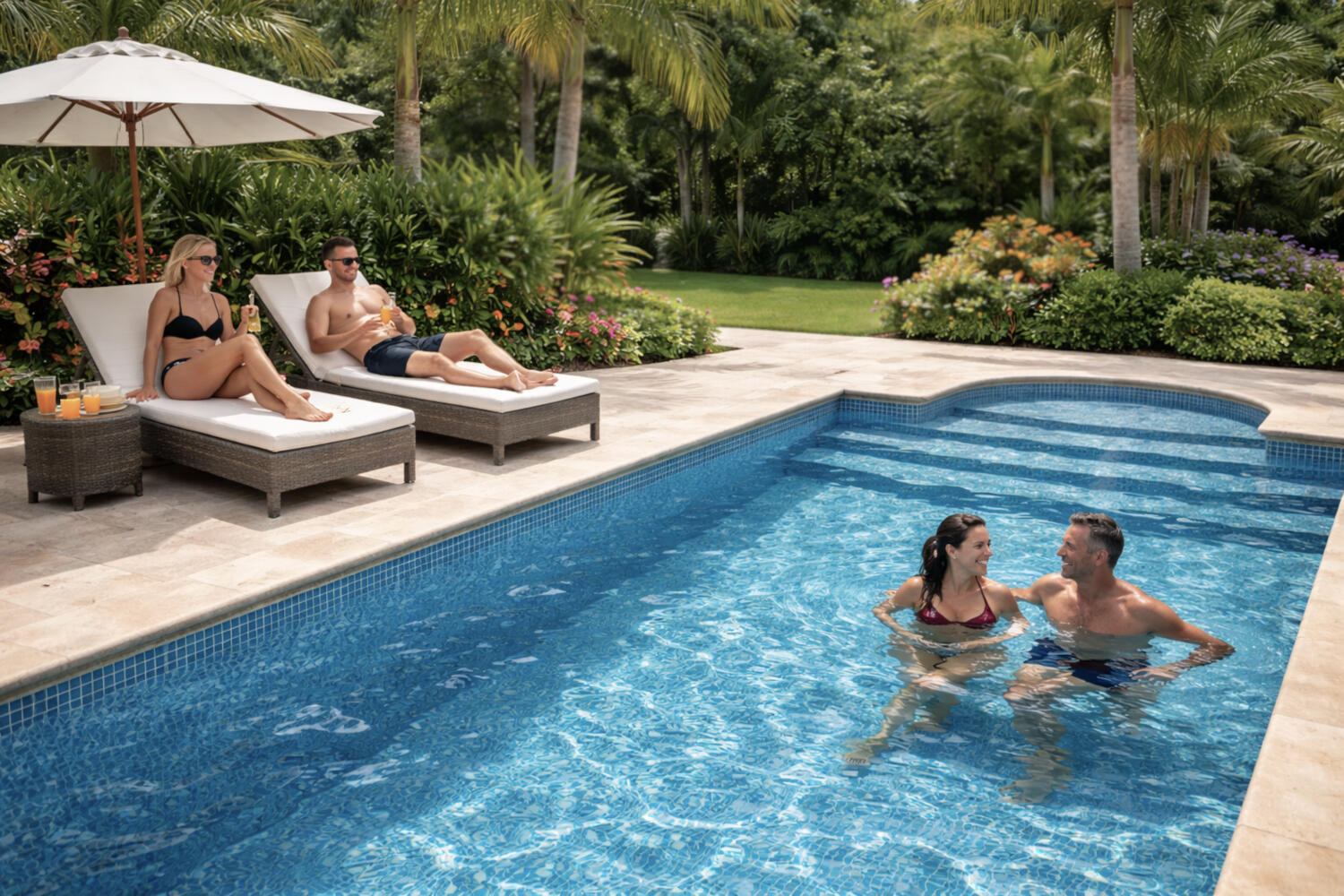
Swimming pool: larger structure, usually a fully integrated construction.
Differences in usage
Spa: relaxation, wellness, and frequent use for short periods.
Swimspa: continuous exercise + relaxation in a single unit.
Swimming pool: recreational leisure, social use, and free swimming.
Differences in maintenance
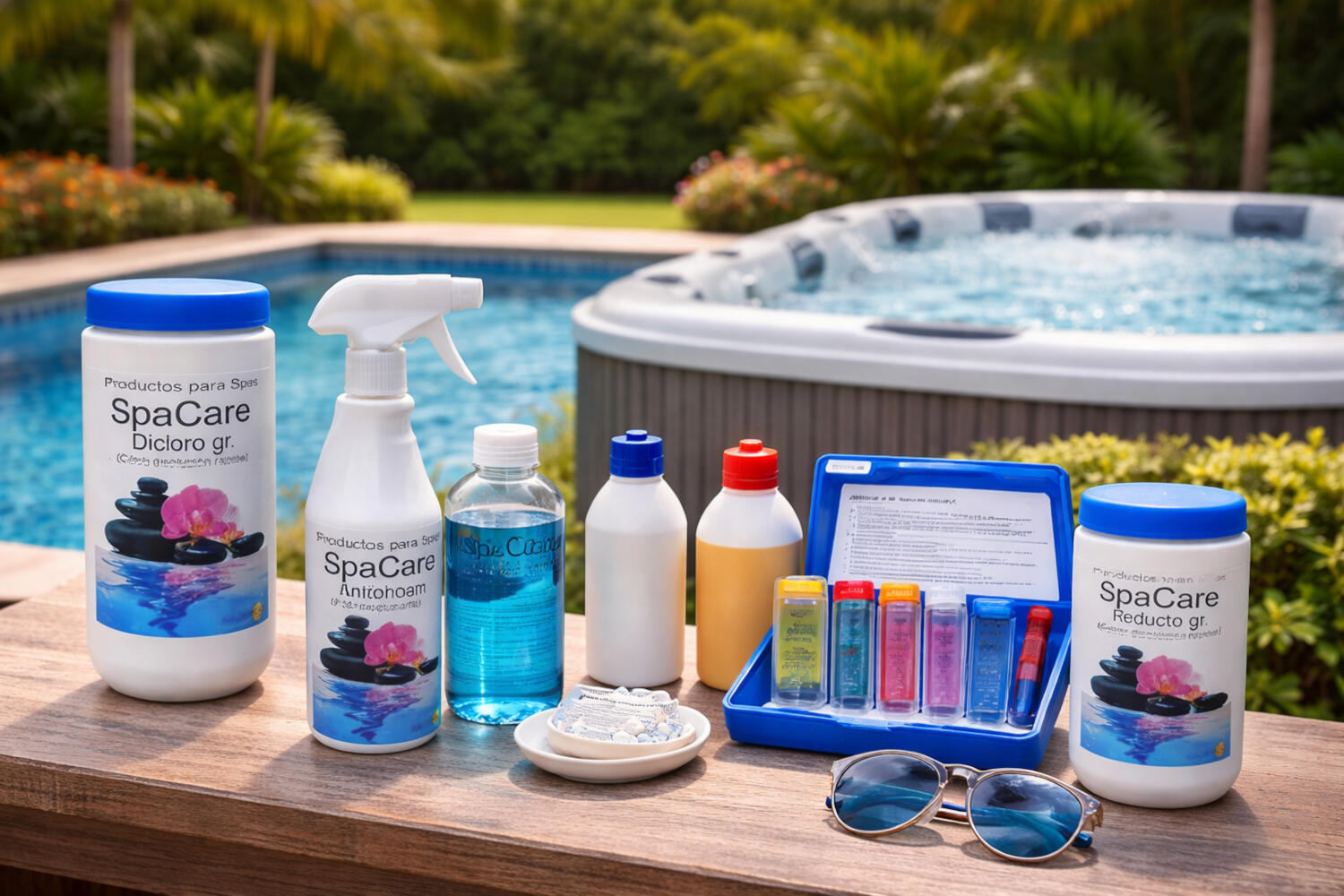
The spa and swimspa operate with a lower water volume and constant temperature control.
The swimming pool requires a larger volume of chemical products and more intensive seasonal maintenance.
Differences in up-front cost and investment
The spa has a clear initial investment and stable monthly costs.
The swimspa involves a higher investment than a spa, but less construction work than a traditional swimming pool.
The swimming pool may require a higher investment in civil works and more variable long-term costs.
Before deciding
Choosing correctly depends not only on the initial price, but on how well it fits your space, intended use, and long-term costs.
Available space: free surface area, access, and structural capacity.
Type of use: daily relaxation, training, family use, or recreation.
Initial budget: equipment + construction + installation.
Future costs: electricity consumption, maintenance, and potential upgrades.
Real projects and professional execution
Before starting a project, it is useful to review real examples that show construction solutions, site integration, and level of finish. Seeing completed projects helps you understand how aspects such as structure, waterproofing, drainage, and aesthetic integration are handled in practice.
To look at examples of professional swimspa, spa and pool installations , you can visit Aqaspas.