
Water and Maintenance
Technical guide to understanding how to keep pool and spa water in optimal condition, covering treatment, filtration, and chemical balance from a practical and well-founded perspective.


How to maintain optimal water conditions
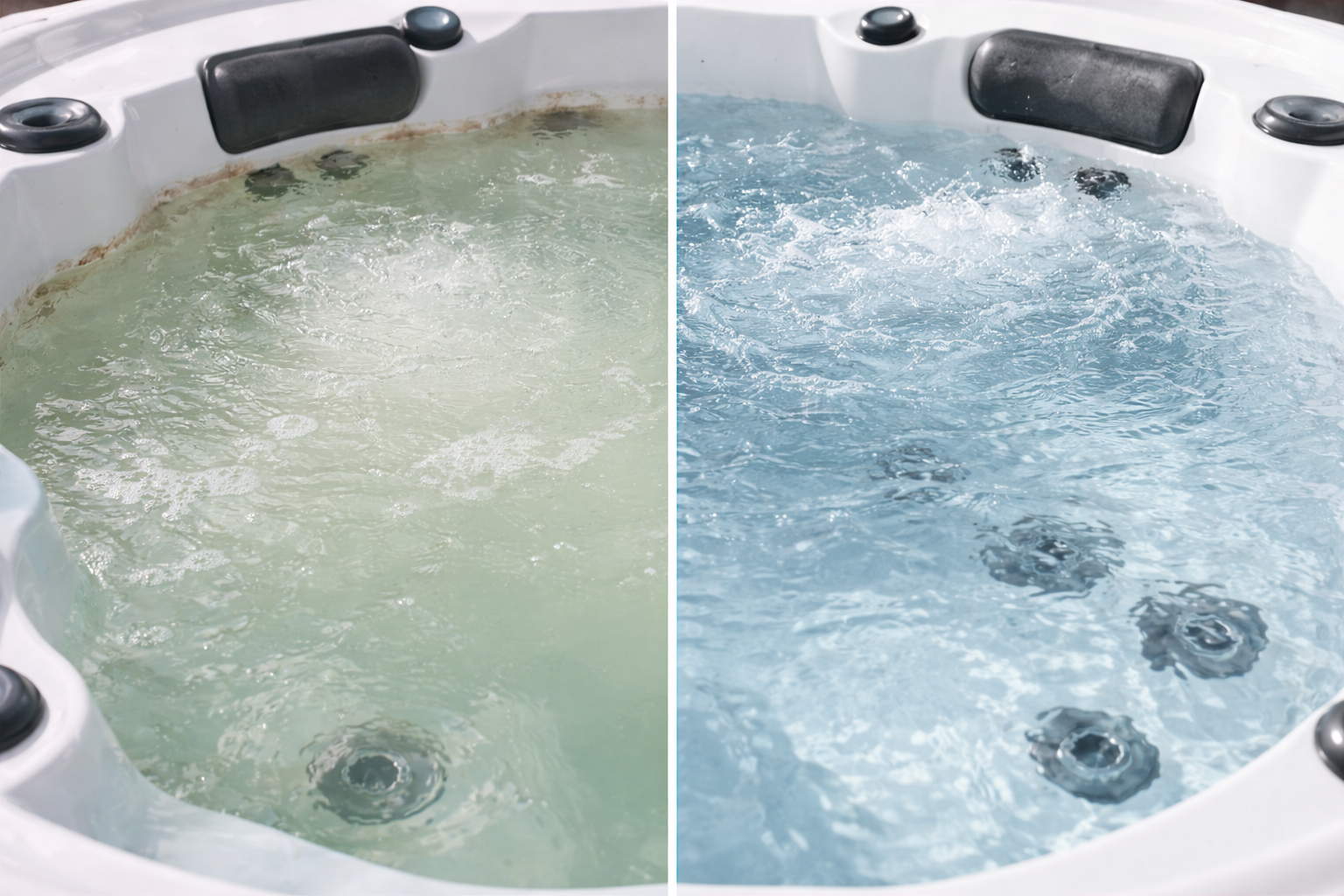
Water balance does not depend only on adding disinfectant. It is the result of the correct combination of chemistry, filtration, and usage habits.
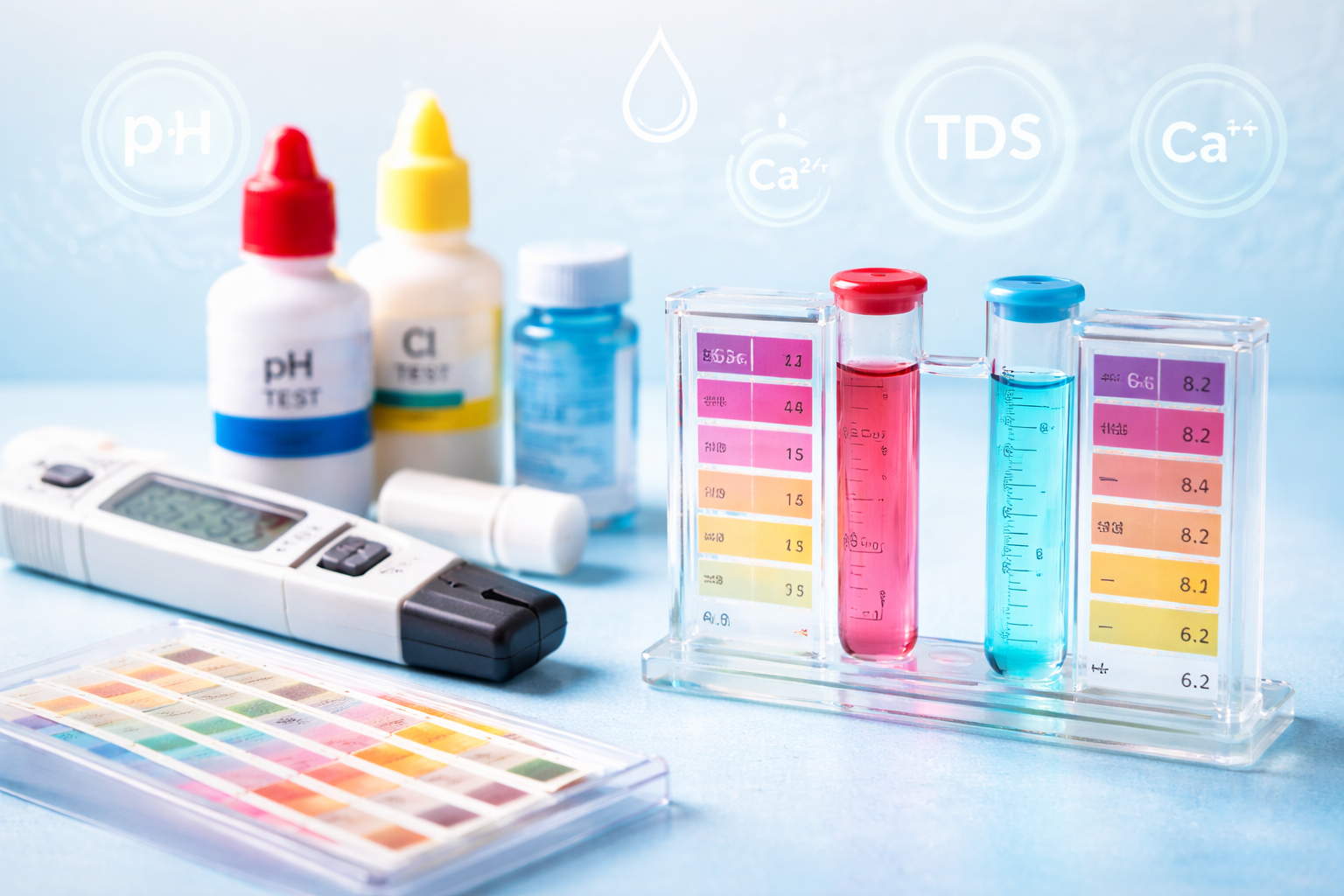
- Chemical balance: pH, alcalinity and hardness
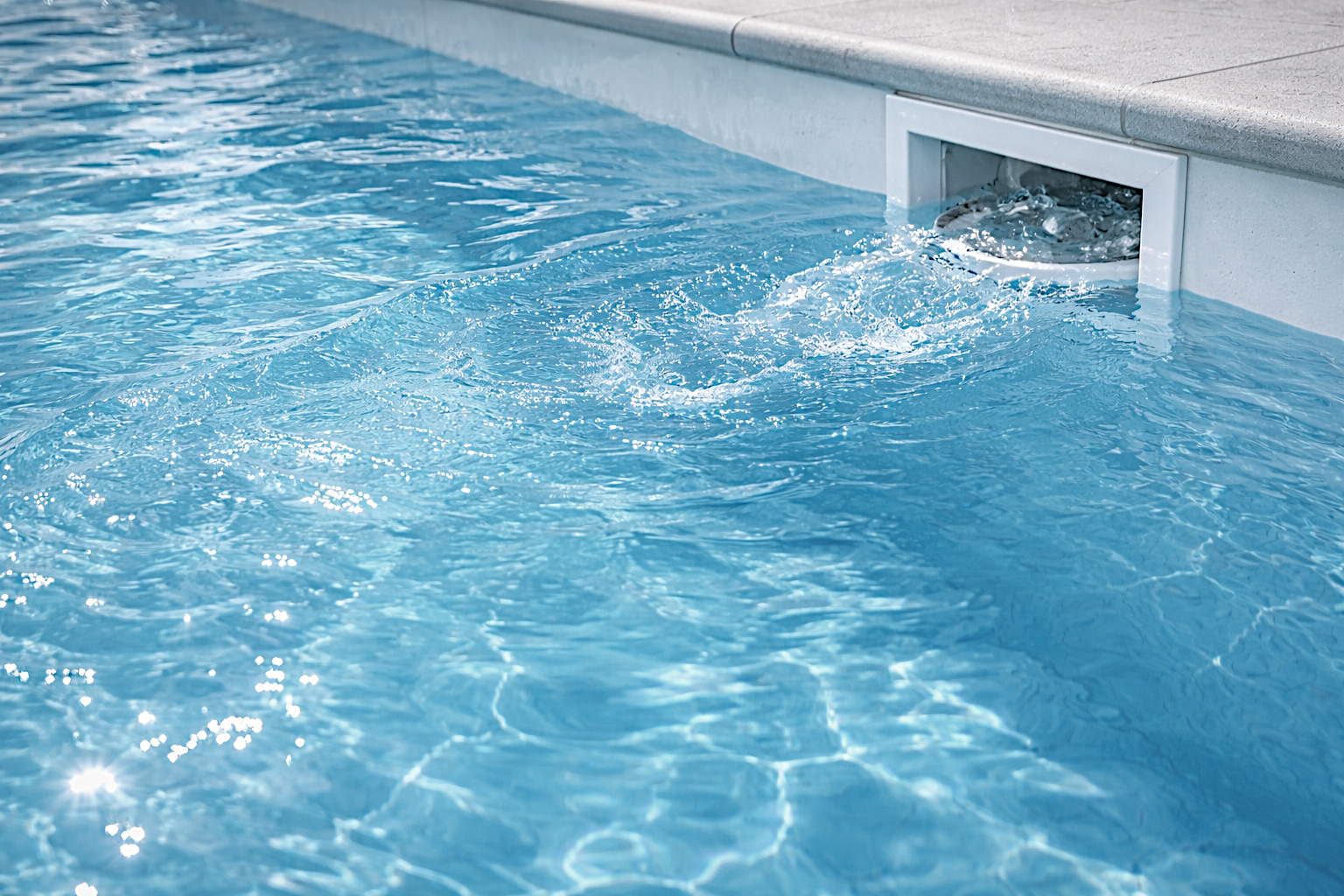
- Proper filtration and circulation
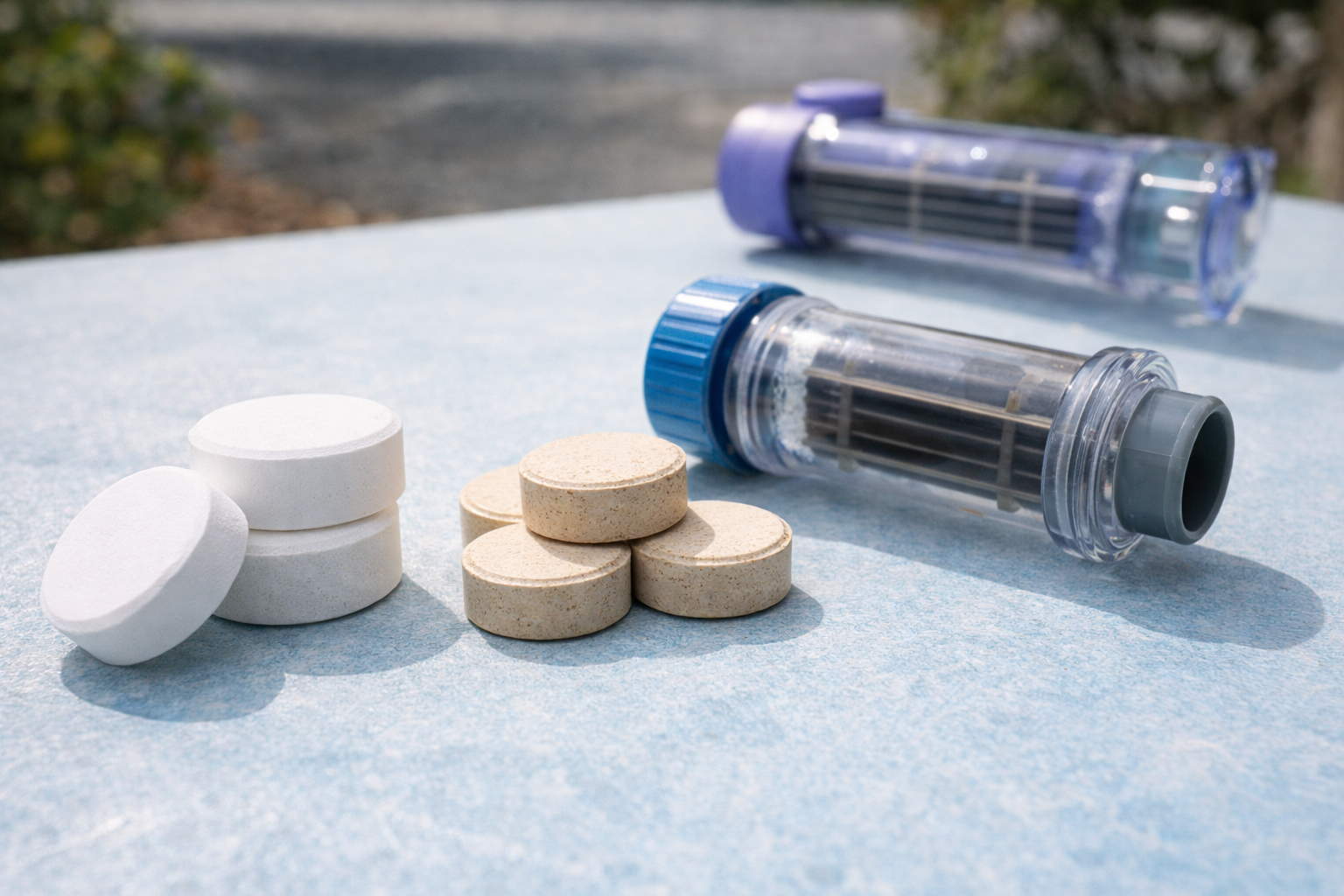
- Disinfection systems
Practical maintenance routine
Effective maintenance follows a simple and repeatable logic.
1. Weekly control
- Measuring pH and disinfectant levels
- Visual inspection of the water
- Basic surface cleaning
2. Monthly checkup
- Check of alkalinity and hardness
- Cleaning filters
- Check disinfection systems
3.Regular in-depth revisions
- Partial or complete water renewal (depending on volume)
- Inspection of pumps and the hydraulic system
- Check for leaks or anomalies
Differences between pool and spa maintenance
Although the chemical principles are similar, water volume, temperature, and usage create important differences.
Pools
- Larger volume, better chemical stability
- Seasonal use in many cases.
- Prolonged filtration and more spaced-out water renewal.
Spas
- Less water volume and higher temperatures
- Higher organic load per user.
- Need for more frequent and precise control.
Common mistakes in water treatment
- Adding product without measuring beforehand
- Ignoring alkalinity and concentrate on pH only
- Not cleaning filters regularly
- Maintaining excessive disinfectant levels
- Not adapting maintenance to the volume and temperature.
Before choosing a disinfection system
Not all systems fit all installations.
- Chlorine: effective and economical, requires regular control.
- Bromine: more stable at high temperatures, common in spas.
- Alternative systems: UV, ozone, or salt systems complement but do not completely replace chemical control.
Relating maintenance to equipment choice
Maintenance directly influences the user experience and the real cost of an installation.